
Host notes
How much cloth a room needs
Covers are bought by the box and used by the table, and the two numbers are almost never the same. Here is the division, and the part people get wrong.
Count tables, not guests
A cover goes on a table. How many people sit at it changes nothing about how much cloth the room needs, so the guest list is the wrong number to start from. Walk the room, count the tops, and note the shape of each one while you are there.
If the venue gives you a floor plan, count from that and then check it on the day. Rooms gain a gift table and a cake table between the plan and the party, and both of them want covering.
Round up to whole boxes
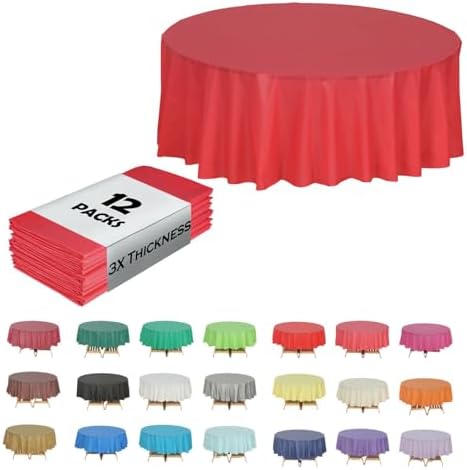
We box covers 2, 4, 6, 12, 24, 48, 60, 72, 100, 240 and 520 to a pack, so the count you need is the table count divided by the pack and rounded up. Rounding up is not waste. A drink goes over at least once in an evening, and a spare cover in the box is the difference between a two minute change and a wet table for the rest of the night.
| Tables in the room | 12 to a box | 24 to a box | 48 to a box | 72 to a box |
|---|---|---|---|---|
| 4 | 1 box, 8 spare | 1 box, 20 spare | 1 box, 44 spare | 1 box, 68 spare |
| 8 | 1 box, 4 spare | 1 box, 16 spare | 1 box, 40 spare | 1 box, 64 spare |
| 12 | 1 box | 1 box, 12 spare | 1 box, 36 spare | 1 box, 60 spare |
| 20 | 2 boxes, 4 spare | 1 box, 4 spare | 1 box, 28 spare | 1 box, 52 spare |
| 30 | 3 boxes, 6 spare | 2 boxes, 18 spare | 1 box, 18 spare | 1 box, 42 spare |
Buy the room in one order
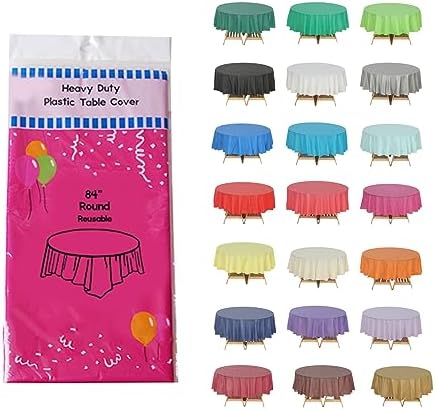
Film is dyed in runs. Within a box the shade is the same; across two boxes bought a month apart it is close but not promised. Nobody notices a slightly different white on the far side of a hall, and everybody notices two different navies on tables standing next to each other.
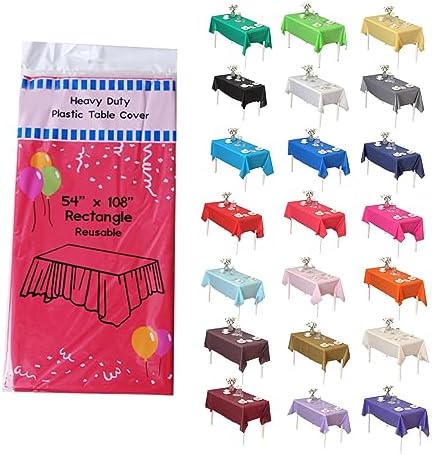
What that looks like in the catalog
Mixed rooms
Most halls are not one shape. Sixty inch rounds for the guests, a long trestle for the buffet, another for the gifts: that is two counts and two boxes, not one. Count each shape separately and divide each one on its own.
The table plan takes one shape at a time for exactly this reason. Run it twice and add the boxes together.